Radar, Plates, and Charges: What the Crackdown on Street Racing Actually Looks Like in 2024
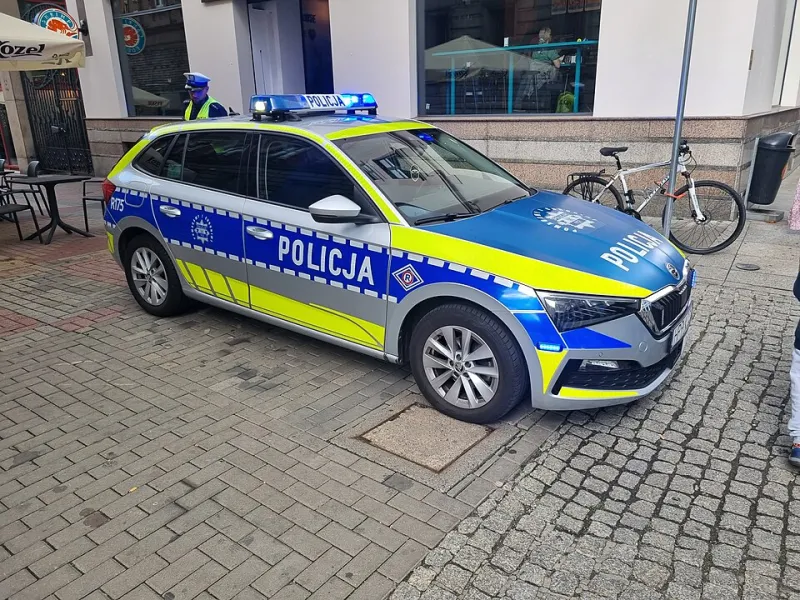
Photo: HJ Mitchell, CC BY 4.0, via Wikimedia Commons
The Scene Is Under a Microscope
Let's be real — the street racing world has always operated in the shadows, and that's kind of the whole point. But those shadows are getting a lot brighter. Over the past two years, cities from Los Angeles to Atlanta to Houston have launched dedicated task forces aimed squarely at illegal street racing, and the results are showing up in courtrooms across the country.
This isn't your dad's "get pulled over and lose your license" situation anymore. We're talking felony charges, asset forfeiture, and in some states, mandatory minimums that can land you in a cell next to people who did a lot worse. The culture isn't going anywhere, but the cost of getting caught has never been higher, and the odds of getting caught have never been better — for the cops, anyway.
We talked to people inside the scene, dug into court records, and got perspective from legal professionals who've actually defended these cases. Here's the full picture.
The Tech That's Changing Everything
If you think rolling through a known meet spot with a blacked-out plate or a quick swap is enough to keep you ghost, think again. Automated License Plate Readers — ALPRs — are now deployed not just on patrol cars but on fixed infrastructure: streetlights, highway overpasses, even private parking lots that share data with law enforcement.
A single ALPR unit can scan thousands of plates per hour and cross-reference them against databases in real time. That means even if you're just parked at a meet, your plate gets logged. Show up three times near known racing corridors in a month? You're building a pattern in a database somewhere, whether you ever raced or not.
"The data retention on these systems is the part people don't think about," said one attorney who asked to remain anonymous but has defended multiple street racing cases in the Southeast. "A client gets arrested for a race in October, and prosecutors pull ALPR data showing his car near six prior events. Suddenly it's not a one-time thing — it's a pattern of behavior, and that changes the whole sentencing conversation."
Drone surveillance has also entered the picture. Several departments, including units in the Dallas-Fort Worth metro and parts of Southern California, have used drones to monitor large meets from altitude, capturing video evidence that's proven admissible in court. You can hear a helicopter. You won't hear a drone at 400 feet.
What Charges Actually Look Like
The charge sheet on a street racing bust can vary wildly depending on what state you're in and how the DA decides to play it. At the low end, you're looking at reckless driving — a misdemeanor in most states, but one that carries real weight: fines, points, potential license suspension, and an insurance rate that'll make your eyes water.
But states have been beefing up their racing statutes. California's Vehicle Code 23109, Florida's Section 316.191, and Texas Transportation Code 545.420 have all seen amendments that increase penalties, particularly when racing results in injury, property damage, or involves minors. In California, participating in a speed contest can now result in up to 90 days in jail on a first offense — and that's if nothing goes wrong.
When something does go wrong, the charges escalate fast. Vehicular manslaughter, felony reckless endangerment, even murder charges have been successfully prosecuted in cases where a street race ended in a fatality. Those aren't scare tactics — they're case law.
One driver we'll call Marcus, who raced in the Chicago area for years before a 2022 incident put him on the wrong side of a courtroom, described the experience bluntly: "I thought I knew the risks. I thought I was smart about it. But the moment something unexpected happens — a car that wasn't supposed to be there, a turn that came up too fast — everything you thought you controlled disappears."
Marcus pleaded to a reduced charge but still faced six months of supervision, a suspended license, and court costs that ran into the thousands. He got off relatively light, and he knows it.
How Enforcement Has Gotten Coordinated
One of the biggest shifts in the last few years is how multi-agency these operations have become. It's not just local PD anymore. You've got county sheriffs, state highway patrol, and in some jurisdictions, federal involvement when interstate highways are part of the equation.
In Los Angeles, the LAPD's Street Racing Task Force regularly coordinates with the California Highway Patrol and has been known to set up staged meets — essentially undercover operations where officers blend into the scene to gather intelligence before moving in. Similar operations have been documented in Miami, Phoenix, and the Carolinas.
Social media has become a major intelligence tool. Organizers who post locations, even in coded language or private groups, are often being monitored. Several busts in 2023 were directly linked to Instagram and Snapchat activity. If it's digital, it can be subpoenaed.
Staying Smart in a Tighter World
None of this is meant to tell you what to do with your car or your life. That's not what Racing Underground is about. But knowledge is the foundation of everything in this culture, and knowing what you're actually up against is part of running smart.
A few things worth keeping in mind, strictly from an informational standpoint:
Trackday culture is exploding for a reason. Events like NASA track days, SCCA autocross, and local drag nights at legal strips have grown significantly in popularity, partly because the underground has gotten so hot. You get the run, you get the data, and you go home without a case number.
Your phone is a witness. Location data, call logs, and app history have all been used as evidence in racing-related prosecutions. Being aware of what your devices are recording isn't paranoia — it's just practical.
Know your rights, but know your situation. If you're stopped, you have Fourth and Fifth Amendment protections. Exercise them calmly and politely. Don't consent to searches. Get an attorney involved before you say anything substantive. A lawyer who handles traffic and motorsport law isn't hard to find and a consultation is usually cheap.
The community protects itself through information. Knowing which corridors are hot, which meets have been burned, and which faces have shown up one too many times is as old as the culture itself. That community intelligence still matters.
The underground isn't dying. But it's evolving, and the drivers who stay in it longest are the ones who treat information like it's part of their build — essential, constantly updated, and never taken for granted.