Your Dyno Sheet Is Lying to You—Here's How to Catch It
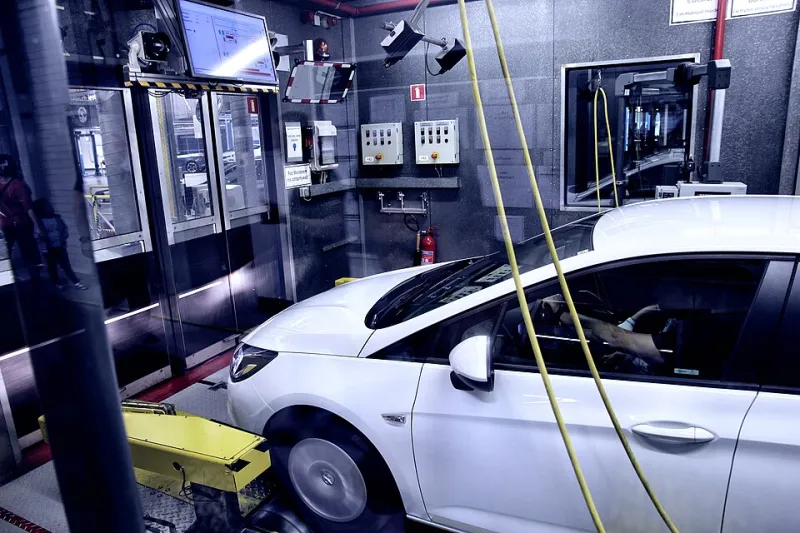
Photo: Marek Ślusarczyk (Tupungato) Photo portfolio, CC BY 3.0, via Wikimedia Commons
That dyno sheet taped to the shop wall showing 487 wheel horsepower from a bolt-on Mustang? Yeah. About that.
Fake or inflated dyno numbers have been a problem in the tuning industry for as long as dynos have existed. But as social media turned horsepower claims into marketing currency, the problem got significantly worse. Shops figured out that a big number on a printout—even a cooked one—moves customers through the door. And unless you know what to look for, you'd never know the difference.
This isn't about calling out any specific shop. This is about giving you the tools to protect yourself, your build, and your money.
Not All Dynos Are Created Equal
Before we get into manipulation tactics, you need to understand that different dyno platforms produce different numbers by design—and that's not fraud, that's physics.
The two most common types you'll encounter in US tuning shops are the Dynojet and the Mustang dynamometer (also called a load-bearing or eddy current dyno). Dynojets are inertia-based—they measure how fast a known mass accelerates, then calculate power from that. They tend to read on the high side, which is partly why they became the most popular shop dyno in the country. Customers like big numbers. Mustang dynos apply an actual load to the drivetrain and are generally considered more accurate, but they typically read 10 to 15 percent lower than a Dynojet on the same car.
So if a shop is comparing their Mustang dyno numbers to a competitor's Dynojet pulls without disclosing the difference? That's already misleading, even before any cheating starts.
There's also the hub dyno, which connects directly to the wheel hubs and eliminates tire slip and rotational mass from the equation. These tend to be the most consistent and repeatable—and they're becoming more common in serious tuning operations.
The Manipulation Playbook
Here's where things get ugly. There are several well-documented methods for inflating dyno numbers, and some shops use multiple tactics simultaneously.
Temperature and atmospheric correction factors are the most common lever. Dynos apply a correction multiplier to compensate for air density variations—temperature, humidity, and elevation all affect how much oxygen reaches the combustion chamber. The correction factor is supposed to normalize results to a standard atmosphere. But the correction formula can be gamed. Some Dynojet software allows shops to input custom correction factors. A small adjustment to that multiplier can add 20, 30, even 50 horsepower to a printout without touching the actual tune.
Fan placement and airflow matter more than most customers realize. A proper dyno pull requires significant airflow across the intercooler and radiator to simulate real-world conditions. Some shops run pulls with minimal cooling airflow, which actually raises intake temps and drops real power—but if the correction factor is inflated to compensate, the sheet looks great while the car is actually making less power than claimed.
Selective run presentation is simpler and almost impossible to catch unless you're watching. A shop does eight pulls, the numbers vary, and they hand you the printout from the single best run—which might be an outlier. Legitimate operations show you average runs or at minimum explain variance across multiple pulls.
Smoothing settings on Dynojet software can be adjusted to create a cleaner-looking power curve. Heavy smoothing can also artificially inflate peak numbers by ironing out the dips that would otherwise pull the average down.
What Honest Shops Do Differently
We talked to several tuners with strong regional reputations about what separates legitimate operations from the number-chasers.
The consistent answer was transparency. Reputable shops will tell you upfront which dyno they're running, what correction standard they use (SAE J1349 is the most common in the US), and they'll show you multiple runs—not just the hero pull.
"If a customer asks to watch their car get dyno'd and the shop says no, that's your first red flag," said one tuner who operates out of the Mid-Atlantic region and asked not to be named. "There's no reason to hide a legitimate pull."
The other thing honest shops do is manage expectations before the build, not just after. If a shop is promising you 400 wheel horsepower from a list of bolt-ons that physics simply can't support, the inflated dyno sheet is the only way that promise gets kept.
The Checklist: How to Vet a Shop Before You Commit
Before you hand over your build and your money, run through these:
Ask what dyno they use and what correction standard. If they can't answer that question clearly, keep walking.
Request to see previous customer dyno sheets. Look for consistency. Wild variance between similar builds on the same platform is a red flag.
Ask if you can observe the pull. A confident shop will say yes without hesitation.
Cross-reference their numbers with community data. Forums, build threads, and Facebook groups are full of documented pulls from specific platforms on specific hardware combinations. If a shop's numbers consistently run 20 percent higher than what the broader community is seeing on the same setup, something is off.
Look for shops that use multiple dyno types. Some serious operations run both an inertia dyno and a load-bearing dyno to cross-check results. That level of rigor is a strong signal.
Check whether they explain variance. Power curves fluctuate with ambient conditions. A shop that pretends every pull is identical is either lying or not paying attention.
Why It Actually Matters
This isn't just about ego and bragging rights, though that's part of the culture and nobody's pretending otherwise. Inflated dyno numbers have real consequences for how a car gets tuned.
If your tune is built around falsely claimed power levels, your air-fuel ratios, ignition timing, and boost targets may all be calibrated against fiction. That's not a dyno sheet problem anymore—that's an engine reliability problem. Builds have been hurt, sometimes seriously, because the baseline data feeding the tune was garbage.
Beyond the mechanical risks, there's the financial reality. If you're spending money chasing a power goal based on a shop's inflated claims of what their previous work produced, you might be chasing something that was never real. That's money you're not getting back.
The Bottom Line
The underground has always had a complicated relationship with numbers. Big power claims are part of the culture—they're how reputations get built and how challenges get issued. But there's a difference between a car that genuinely makes what it claims and a shop that's selling you a story on thermal paper.
Know your dyno types. Watch your pulls. Ask uncomfortable questions. The shops that do honest work will respect you for it. The ones that don't? You just saved yourself a very expensive lesson.